


Ministarstvo rudarstva i energetike predstavilo je javnosti Preliminarnu tehničku studiju o mirnodopskoj primeni nuklearne energije
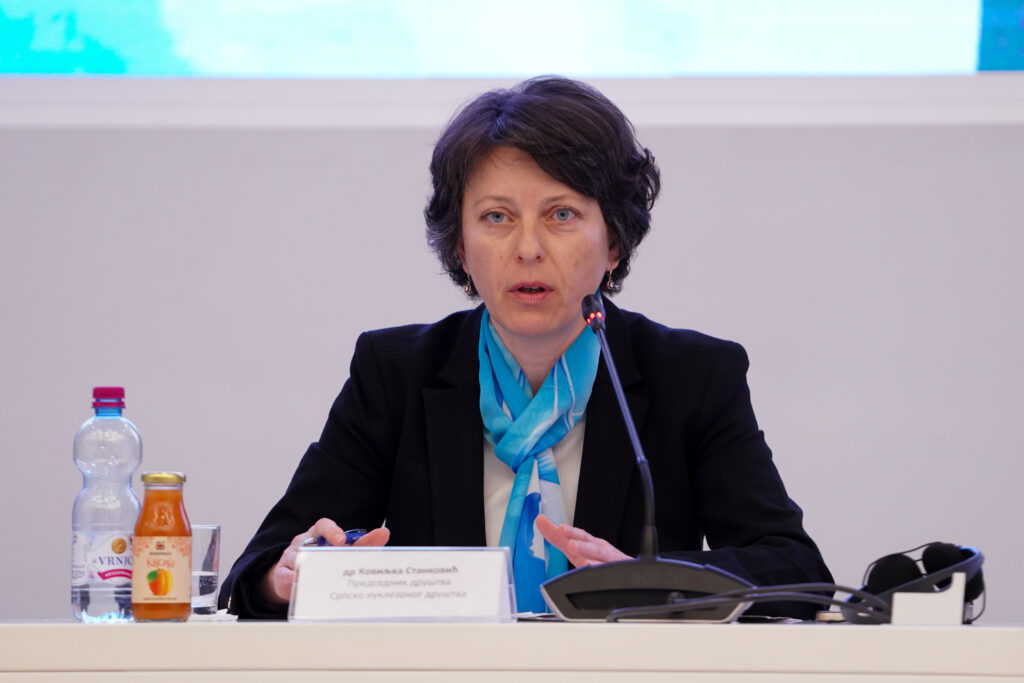
Predsednica Srpskog nuklearnog društva Koviljka Stanković (vanredni profesor Elektrotehnički fakultet Univerzitet u Beogradu) tom prilikom je izjavila sledeće:
Srbija danas ne donosi odluku o izgradnji nuklearne elektrane – Srbija tek počinje da razmatra da li je nuklearna energija rešenje za izazove sve veće potražnje za električnom energijom i za smanjenje emisije štetnih gasova u životnu sredinu.
Na tom putu predstoji izrada nekoliko preliminarnih studija kako bi se sagledali svi infrastrukturni elementi prema međunarodno prihvaćenom pristupu Međunarodne agencije za atomsku energiju.
Drugim rečima, ulazak u nuklearni program ne donosi se jednom političkom odlukom – to je dug proces koji se zasniva na stručnim analizama, međunarodnim standardima i preporukama i širokom društvenom konsenzusu.
Ukoliko se na kraju tog procesa razmatranja donese odluka da je nuklearna energija u interesu Srbije, ulazi se u sledeću fazu u kojoj se izrađuju detaljne studije izvodljivosti za izgradnju nuklearne elektrane. Zbog toga je u ovom trenutku preuranjeno govoriti kao da je takva odluka već doneta – nalazimo se tek na početku procesa razmatranja.
Tema nuklearne energije tiče se svih nas. Upravo zato je izuzetno važno da aktivnosti države budu transparentne. Transparentnost je preduslov da javnost ima poverenje u ovako dugoročne i kompleksne procese i odluke. U suprotnom, nuklearni program je osuđen na neuspeh.
Preliminarna studija koja je danas predstavljena namenjena je pre svega državnim organima i donosiocima odluka, kako bi im pomogla da sagledaju ključne korake potrebne za pokretanje nuklearnog programa.
Svi podaci korišćeni u studiji su relevantni, ažurni i javno dostupni i zbog toga bi, po mom mišljenju, kompletan tekst studije mogao biti predstavljen javnosti. Međutim, dokument je odredbama ugovora označen kao poverljiv. Autor studije, kao jedan od argumenata za to, navodi zaštitu primenjene metodologije. Iz tog razloga, sažetak studije koji je predstavljen javnosti daje veran prikaz sadržaja studije i ključnih preporuka donosiocima odluka.
Države ne počinju nuklearni program zato što već imaju sve potrebne kadrove. Razvoj kadrova predstavlja jedan od ključnih infrastrukturnih elemenata u prvoj fazi nuklearnog programa. To je proces koji traje godinama i mora početi mnogo pre bilo kakve odluke o izgradnji elektrane.
U početnim fazama gotovo sve zemlje sarađuju sa međunarodnim partnerima, što je standardna praksa u nuklearnoj industriji. Istovremeno se razvijaju domaći kadrovi kroz obrazovanje, obuke i univerzitetske programe, sa ciljem da država postepeno izgradi snažnu sopstvenu stručnu bazu. Najpre su nam potrebni pravnici, koji će se baviti nuklearnim pravom, a tek onda kadrovi iz prirodnih i tehničkih nauka.
Interesovanje među mladima za ovu oblast postoji, jer su mlađe generacije i ekološki i društveno svesnije. To interesovanje treba snažno podsticati kroz jasnu dugoročnu strategiju. U tom procesu veoma je važna proaktivna uloga Ministarstva prosvete u jačanju obrazovnog sistema i stimulisanju rada u prosveti, jer su kadrovi za upravljanje potencijalnom nuklearnom elektranom sada u mlađim razredima osnovne škole ili još verovatnije u vrtiću.
Vest sa konferencije za medije: https://www.mre.gov.rs/vest/sr/14964/predstavljena-preliminarna-tehnicka-studija-o-mirnodopskoj-primeni-nuklearne-energije.php
Sažetak preliminarne studije: https://www.mre.gov.rs/extfile/sr/15115/TehnickaStudijanuklearnaEnergijaSRB.pdf
——
The Ministry of Mining and Energy has presented to the public the Preliminary Technical Study on the Peaceful Use of Nuclear Energy.
On this occasion, Koviljka Stanković, President of the Serbian Nuclear Society (Associate Professor, Faculty of Electrical Engineering, University of Belgrade), stated:
Serbia is not making a decision today to build a nuclear power plant—rather, it is only beginning to consider whether nuclear energy is a viable solution to the challenges of growing electricity demand and the need to reduce greenhouse gas emissions.
On this path, several preliminary studies will need to be developed in order to assess all key infrastructure elements in line with the internationally recognized approach of the International Atomic Energy Agency.
In other words, entering a nuclear program is not the result of a single political decision—it is a long-term process based on expert analysis, international standards, and broad societal consensus.
If, at the end of this consideration process, a decision is made that nuclear energy is in Serbia’s best interest, the next phase would involve the development of detailed feasibility studies for the construction of a nuclear power plant. Therefore, it is premature at this stage to speak as if such a decision has already been made—we are only at the very beginning of the consideration process.
The topic of nuclear energy concerns all of us. This is precisely why it is essential that government activities are transparent. Transparency is a prerequisite for building public trust in such long-term and complex processes and decisions. Without it, any nuclear program is bound to fail.
The preliminary study presented today is primarily intended for state authorities and decision-makers, to support them in understanding the key steps required to initiate a nuclear program.
All data used in the study are relevant, up-to-date, and publicly available, and for that reason, in my view, the full text of the study could be shared with the public. However, the document has been designated as confidential under contractual provisions. The author of the study cites the protection of the applied methodology as one of the reasons. For this reason, the summary presented to the public provides an accurate overview of the study’s content and its key recommendations to decision-makers.
Countries do not embark on a nuclear program because they already have all the necessary human resources. Human resource development is one of the key infrastructure elements in the first phase of a nuclear program. It is a process that takes years and must begin well before any decision on plant construction.
In the initial phases, all embarking countries cooperate with international partners, which is standard practice in the nuclear industry. At the same time, domestic expertise is developed through education, training, and university programs, with the goal of gradually building a strong national knowledge base. The first professionals we need are legal experts specializing in nuclear law, followed by experts in natural and engineering sciences.
There is clear interest among young people in this field, as younger generations tend to be more environmentally and socially aware. This interest should be strongly encouraged through a clear long-term strategy. In this process, the proactive role of the Ministry of Education is crucial in strengthening the education system and supporting the teaching profession, because the future workforce for operating a potential nuclear power plant is currently in primary school—or more likely, still in kindergarten.
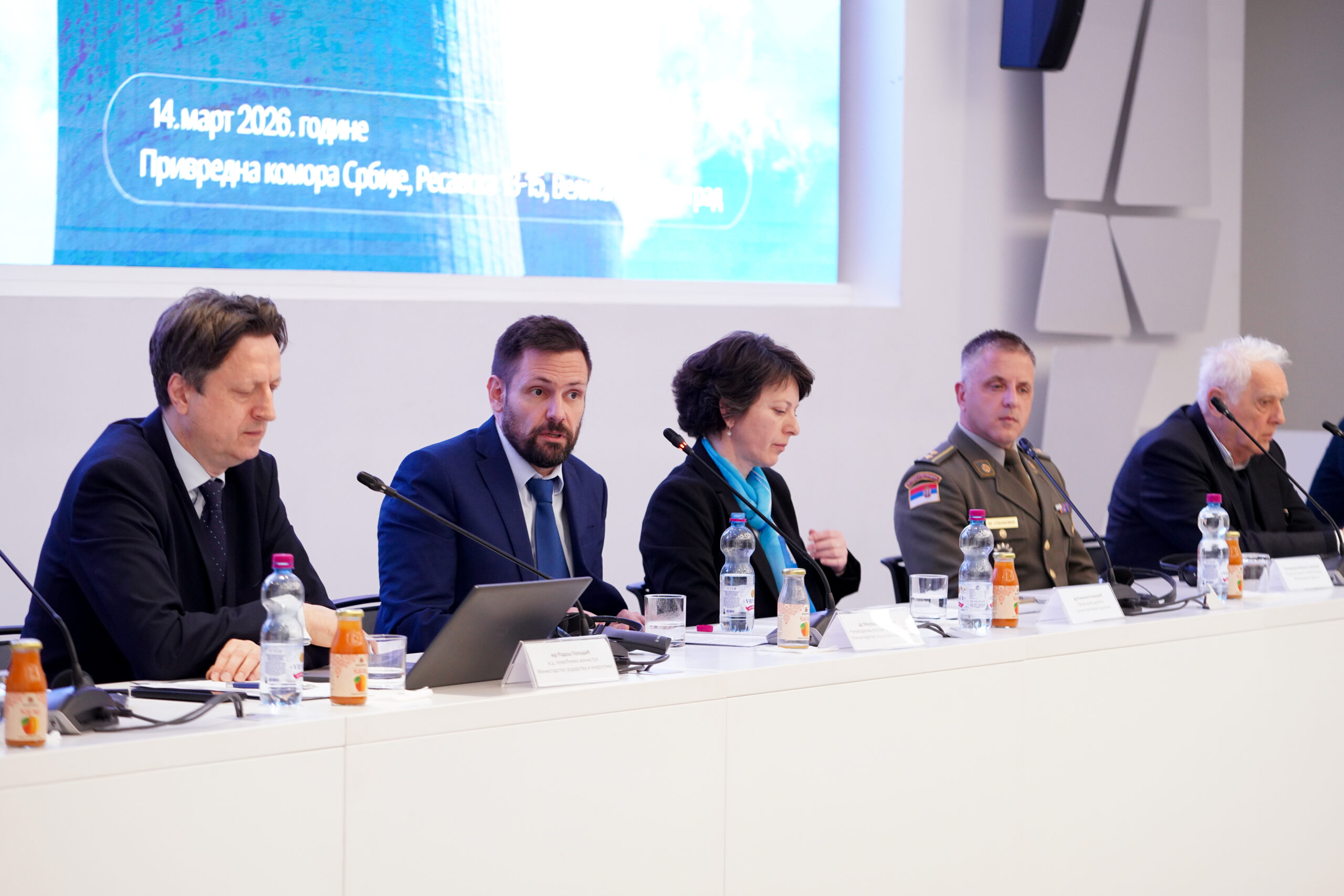
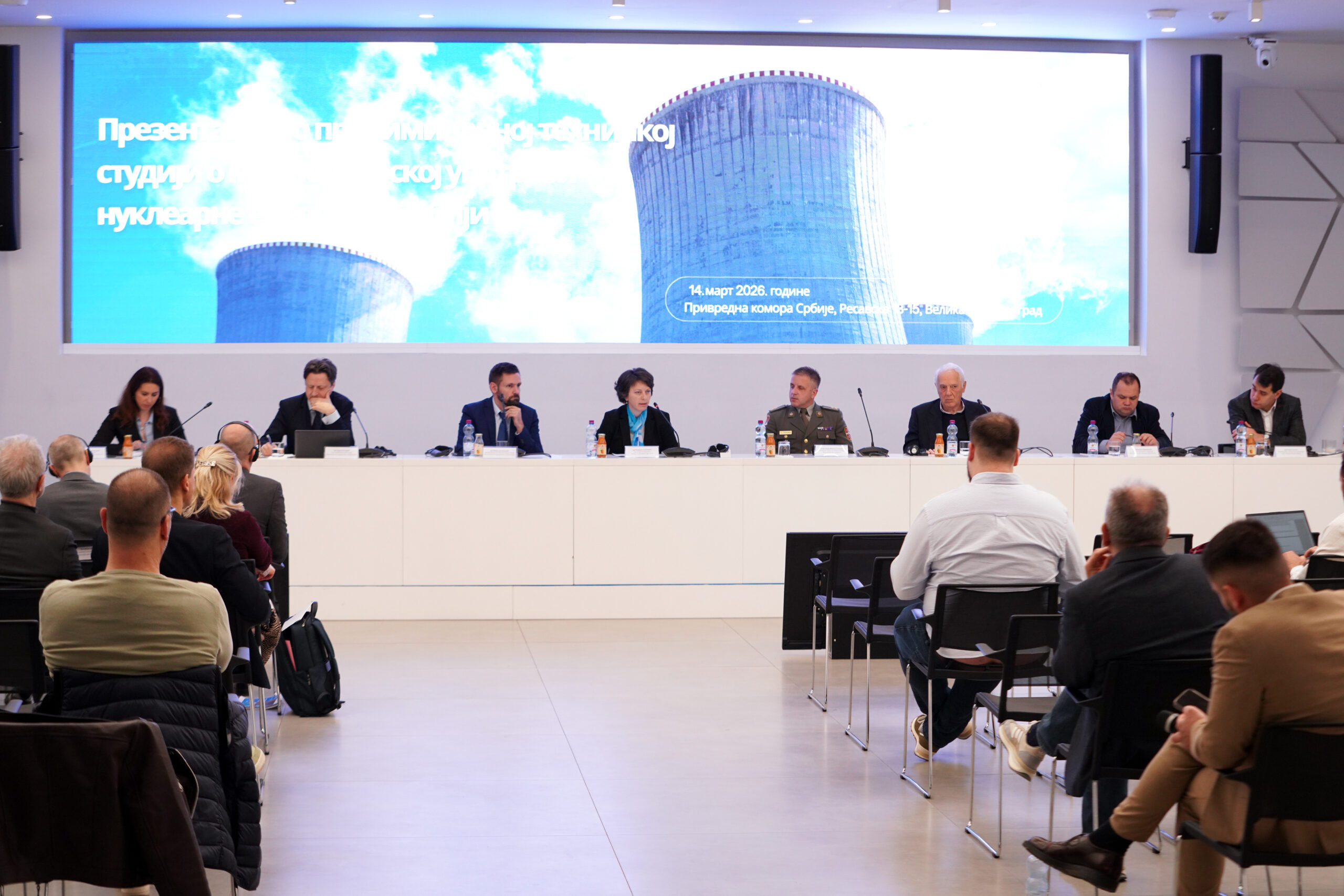
fotografije: Ministarstvo rudarstva i energetike